
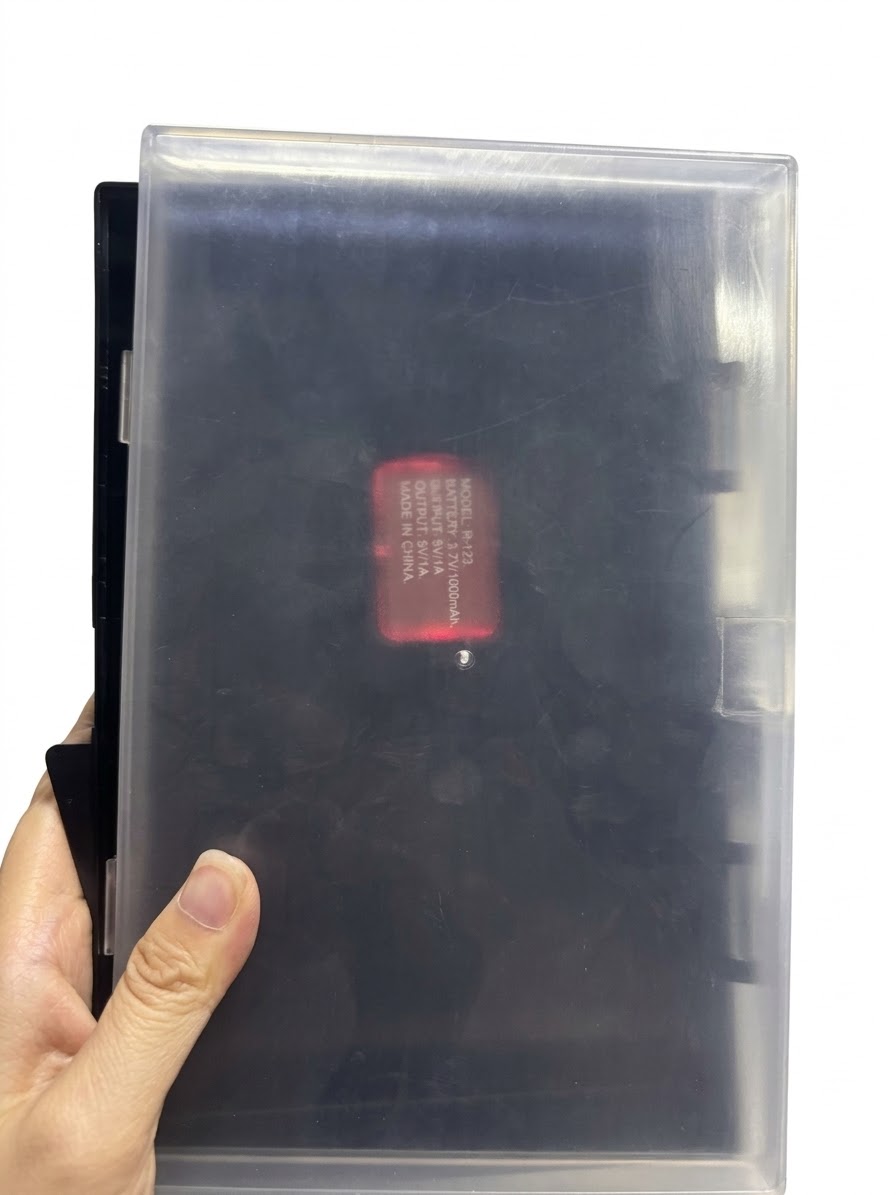
Windows and covers
For a visible cover or window, specify the viewing area, wall thickness, target color and electrical acceptance positions.
For a transparent cover or functional component, review appearance, electrical requirements and the finished-part test together before selecting a PC candidate.
Review candidate data against the drawing, appearance specification, electrical test and processing route.
No confirmed grade is currently listed in this category.
Share your current PC resin code, processing route and finished-part acceptance criteria for a candidate review.
Agree on how the finished part will be evaluated before comparing candidates.
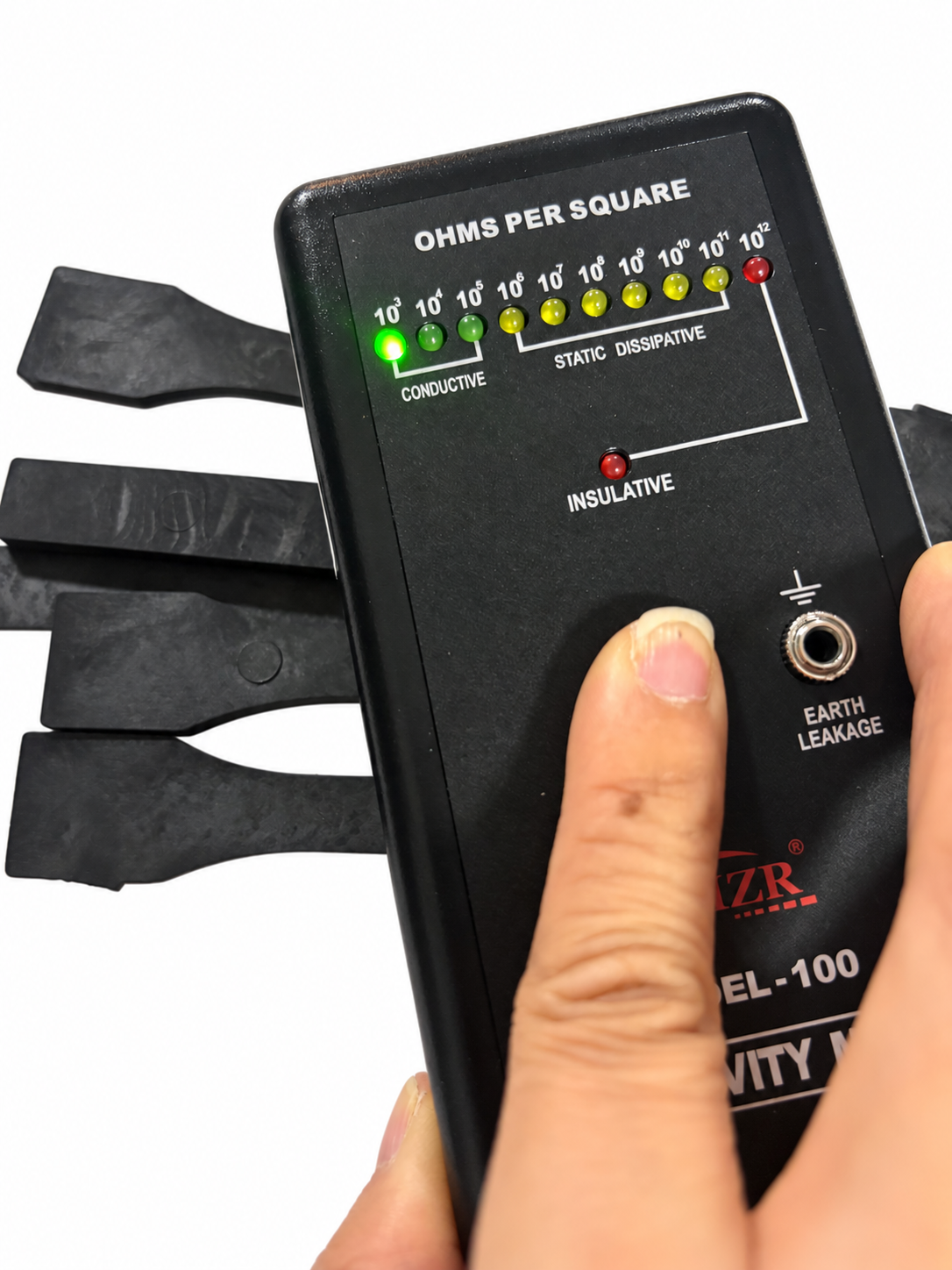
Share a color or transparency reference, the required electrical property and test method. Ask for a grade review covering both, then inspect a representative molded sample.
Mark critical wall thickness, texture and gate area on the drawing. Agree on lighting, viewing position and measurement points for appearance and electrical checks.
Describe clips, fasteners, contact pressure, temperature, cleaning chemicals and exposure. Evaluate the proposed formulation and assembly under representative conditions.
Illustrative applications below describe part geometry, not confirmed PC projects or supplied grades.
For a visible cover or window, specify the viewing area, wall thickness, target color and electrical acceptance positions.

Review tolerances, clips, assembly loads and the appearance of surfaces that contact other parts.
Explore precision partsConfirm grade-specific guidance and use the actual part or sheet for the final evaluation.

Record material preparation, mold and machine settings. Check critical thickness, appearance and electrical measurements on representative parts.
Injection molding guidance
Share the sheet or profile geometry and intended line. Request an appropriate extrusion candidate and a plan for sampling across the section.
Extrusion guidanceCompare representative samples under the same conditions and retain the process record.
Compare thickness, texture, lighting and viewing position; keep electrical checks on the same sample.
Reference sample, drawing, thickness and inspection setup.
Confirm test method, conditioning, contact positions and surface preparation before comparing parts.
Test standard, instrument, contact map and results.
Review clip loads, fastener force, handling, cleaning agents and elapsed time using representative parts.
Assembly sequence, photographs, environment and reference parts.
Compare specimens at measured thicknesses in the same orientation. Check contact conditions and recorded line settings before changing the blend.
Strip positions, local thickness, machine direction and test setup.
Share the exact PC grade in use, processing route and the required electrical test. Confirm a candidate and its processing window before a trial.
Current resin code, component dimensions and target metric with its unit.
Carry appearance, electrical and assembly criteria through the same evaluation.
Identify viewing areas, thickness, color, mounting points and operating environment.
Request the current grade information, processing guidance and sample availability.
Compare appearance and electrical results at agreed locations; inspect representative assembled parts.
Agree on acceptance before making a purchasing decision.
Record lighting, viewing angle, color reference and critical thickness.
Agree on property, unit, conditioning, instrument and contact positions.
Record fit, applied load and relevant service environment for a representative check.
Share the appearance reference, electrical specification, test method and part geometry. A proposed formulation needs verification on a representative sample.
Appearance and measurement can depend on part geometry and surface. Agree on critical locations and sample conditions before comparing results.
Describe clips, fasteners, loads, cleaning and the expected environment. Review the assembled part against agreed acceptance criteria.
Discuss the exact resin grade, carrier compatibility and feeding method before a trial. Explore conductive masterbatches for the concentrate selection path.
Send the current PC resin code, required wall thickness, appearance reference and electrical acceptance test. Ask for the current grade identity and technical sheet before planning a trial.
Tell us about the component, appearance and electrical requirements.
For a candidate review
Share the drawing, wall thickness, resin in use, process and required appearance.
For a trial
Include electrical test conditions, assembly stresses, quantity and destination.