


Injection molding
Review drying, gate and wall thickness, then check the finished part at agreed locations.
Injection molding guidanceREADY-TO-PROCESS MATERIALS
Compare ready-to-process conductive pellets for molded bases, carriers and other components. Start with your base resin, then check stiffness, electrical acceptance and any flame requirement against the actual part.
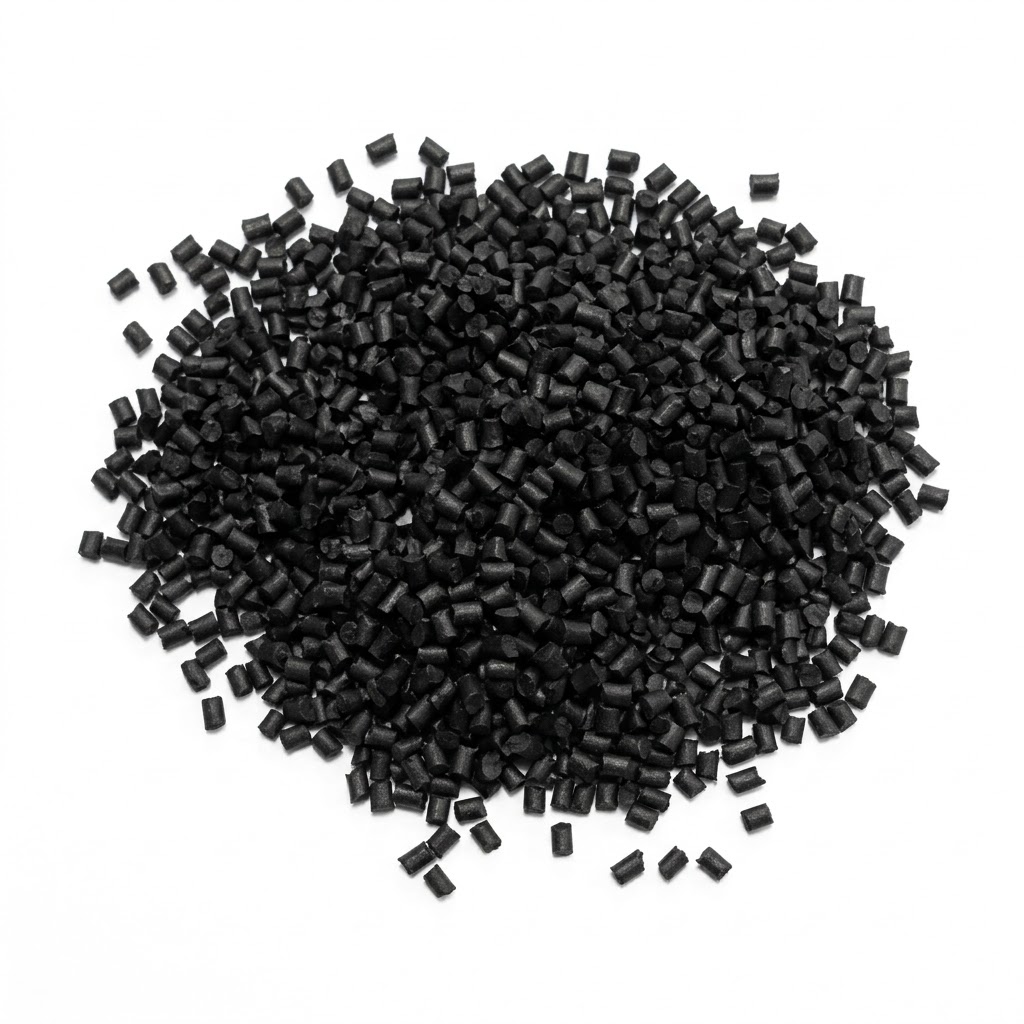
Review candidate grades, then request current data for your part. Ask us about other formulations and requirements.
| Grade | Base resin | Selection focus | Processing | Technical data |
|---|---|---|---|---|
| ABS | Carbon fiber reinforced ABS for rigid molded component bases. | Injection Molding | Request TDS | |
| PA66 | Carbon fiber reinforced conductive PA66 for injection molding trials. Supplied TDS: flexural modulus 10,346.8 MPa (ISO 178, 2 mm/min). | Injection Molding | Request TDS |
3100A: flexural modulus 3,200 MPa (ISO 178, 2 mm/min), according to the supplied TDS. 9200B-WFR: flexural modulus 10,346.8 MPa (ISO 178, 2 mm/min), according to the supplied TDS.
For 9200B-WFR, request the current flame-test report for the intended formulation, color and wall thickness. Values are typical material data; verify the current TDS revision and finished-part acceptance criteria.
Typical values are for initial comparison only. Verify the latest data sheet and the agreed test and acceptance conditions for the actual part.
Need a conductive compound in another resin? Share your base resin, processing route and required electrical properties.
Discuss your requirementsStart with the requirement that would rule a grade in or out.
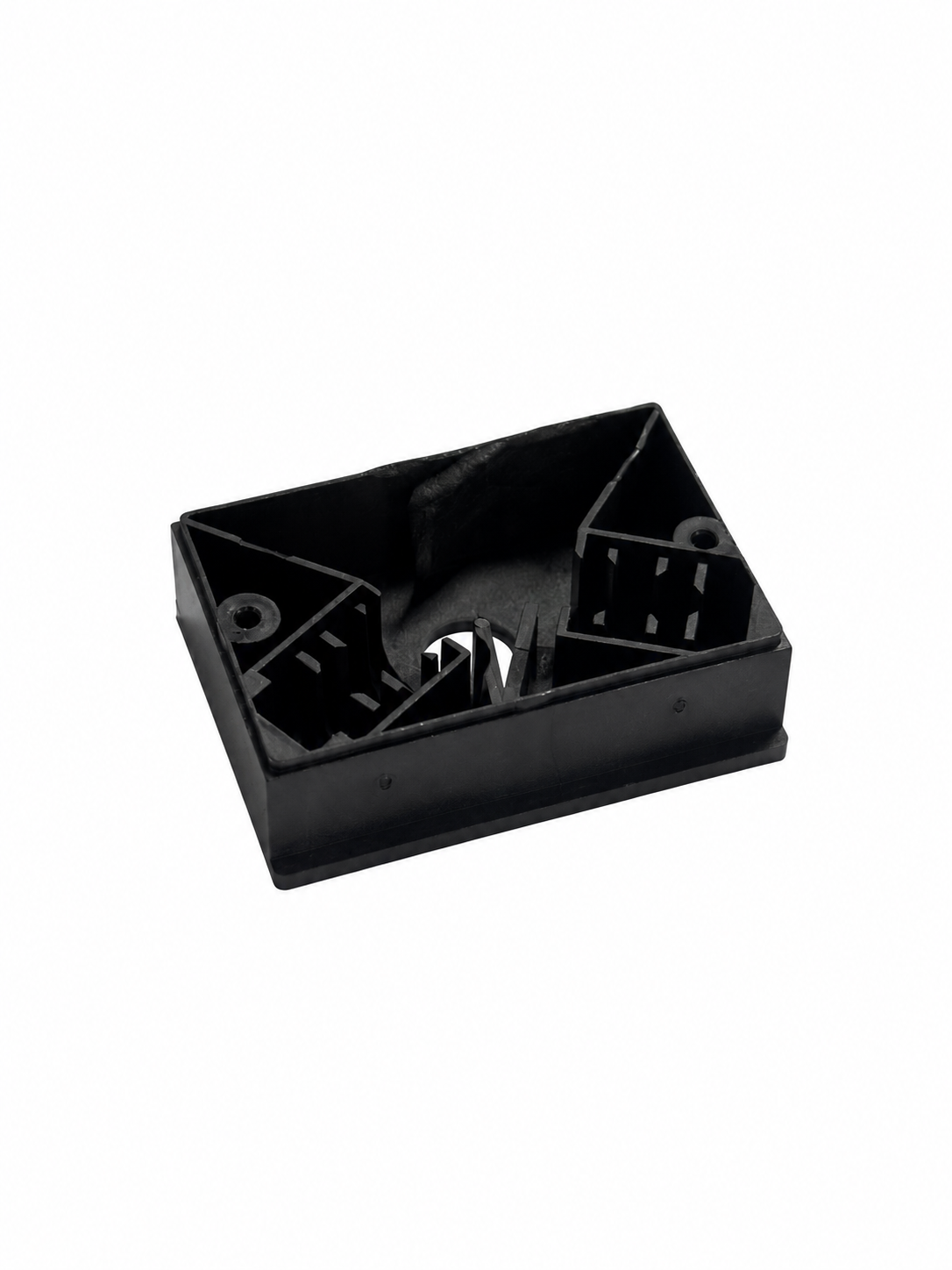
Share its mounting points, stiffness, contact surfaces, heat exposure and flame requirements.
Review the drawing, tooling and processing window before changing the base resin.
Identify the measured quantity, unit, test method and contact locations for the finished part.
Connect the material review to the way you make the finished component.
Review drying, gate and wall thickness, then check the finished part at agreed locations.
Injection molding guidance
Send the section, thickness and line requirements. Ask for a grade reviewed for the intended route and surface quality.
Extrusion guidanceRepeat the test at the same contact points and under the same conditioning. Compare mold revision, gate, cooling and recorded settings. Review actual measurements before attributing the change to a material or setting.
Part drawing, lot, tool revision and before/after readings in the same unit.
Locate the defect on the part drawing. Compare the original and revised parts under the same lighting and check what changed in the color package, tool or process.
Photographs, cavity, color package and the inspection procedure.
Mark where each sample came from. Compare thickness, measurement direction, conditioning, line settings and the test setup at those positions before changing the formulation.
A cross-section, labeled samples and the line log. Ask for an extrusion-grade review.
Carry the drawing and test conditions through each step.
Send the drawing, resin in use and acceptance test. For flame requirements, include color and wall thickness.
Request the current TDS and sample identification. Agree on trial quantity, drying guidance and conditions to record.
Record the sample lot, tool and settings. Measure agreed points and compare dimensions and surface quality.
Current TDS and revision; sample grade, lot and quantity; drawing, marked test locations and agreed acceptance criteria. Confirm availability, packing and delivery for your destination.
Before you enquire
Start with a specification, a current material or simply the part you need to make.
First check whether each value is resistance, surface resistivity or volume resistivity. Match the unit, test method and conditioning.
Yes. Agree on measurement locations for the actual geometry and record processing conditions so the trial can be repeated.
Yes. Describe the component, base resin, process and acceptance criteria you know.
Describe the profile or sheet, thickness, equipment and electrical target. Ask for a grade reviewed for that extrusion route.
Request the current TDS revision, sample lot identification, availability, packaging and lead time.
Material selection · TDS · samples
Share your part, processing route and electrical requirement. If you have a candidate grade, include it with your request.
Candidate data and missing selection information.
Proposed sample / trial arrangements.
Supply or quotation conditions for the agreed scope.
Draft service scope — replace with your confirmed process.
Your contact details and project information are used to respond to this enquiry.

