

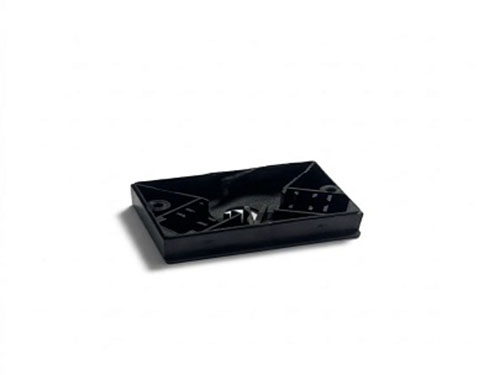
Functional bases and supports
Review dimensions, mounting features, stiffness and electrical contact positions. Suitability requires a grade-specific trial.
Explore base applicationsPA MATERIAL SELECTION
Looking for conductive or antistatic nylon? Start with the PA resin in your part, the electrical target and the conditions under which the finished part will be tested.
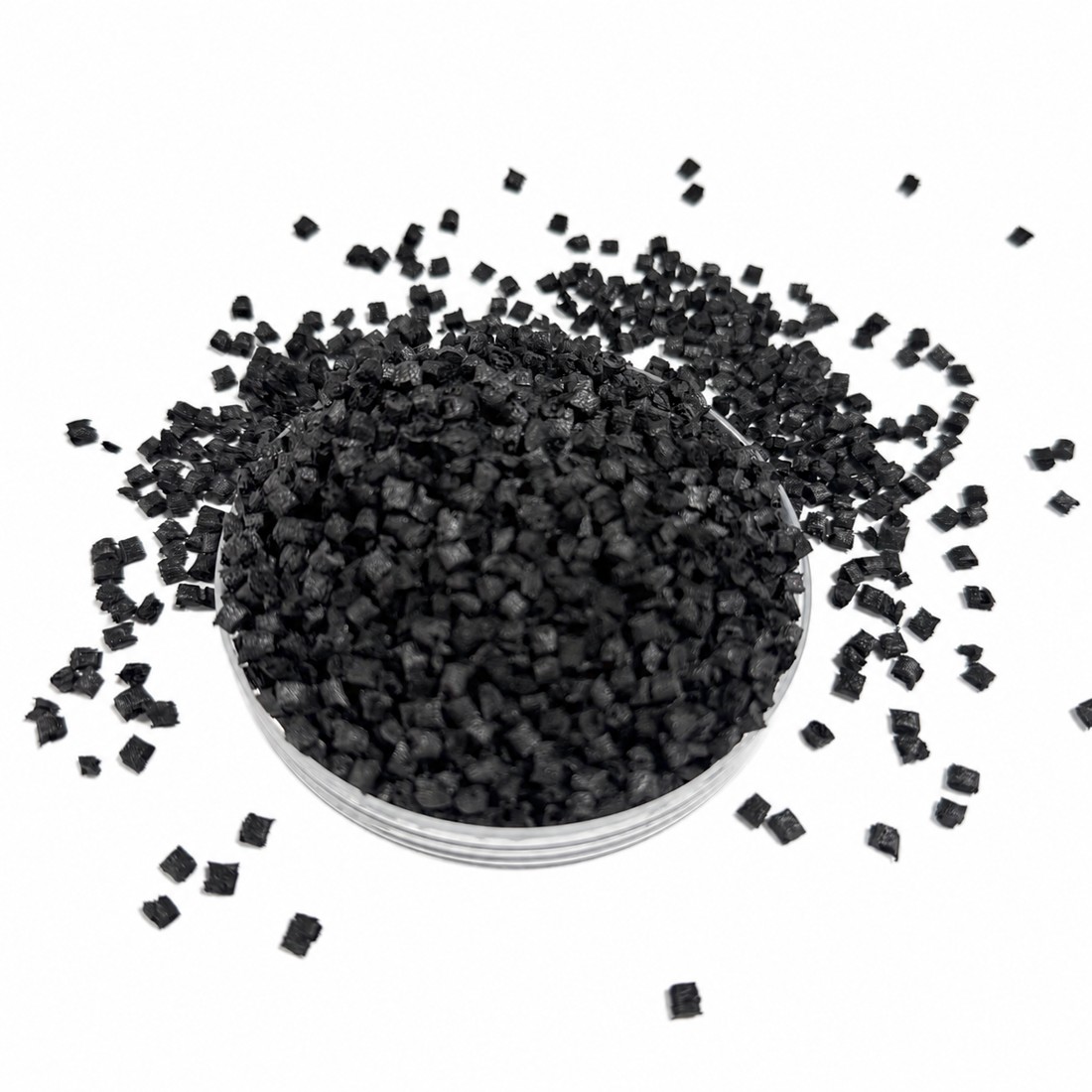
| Grade | Base resin | Selection focus | Processing | Technical data |
|---|---|---|---|---|
| PA66 | Carbon fiber reinforced conductive PA66 for injection molding trials. Supplied TDS: flexural modulus 10,346.8 MPa (ISO 178, 2 mm/min). | Injection Molding | Request TDS |

Start with the constraints that determine whether a candidate is worth trialing.
PA6 or PA66?
Share the current resin and grade, geometry, operating environment and required properties. PA6 and PA66 are not interchangeable by name alone; confirm the proposed formulation and its processing data.
Electrical and mechanical requirements
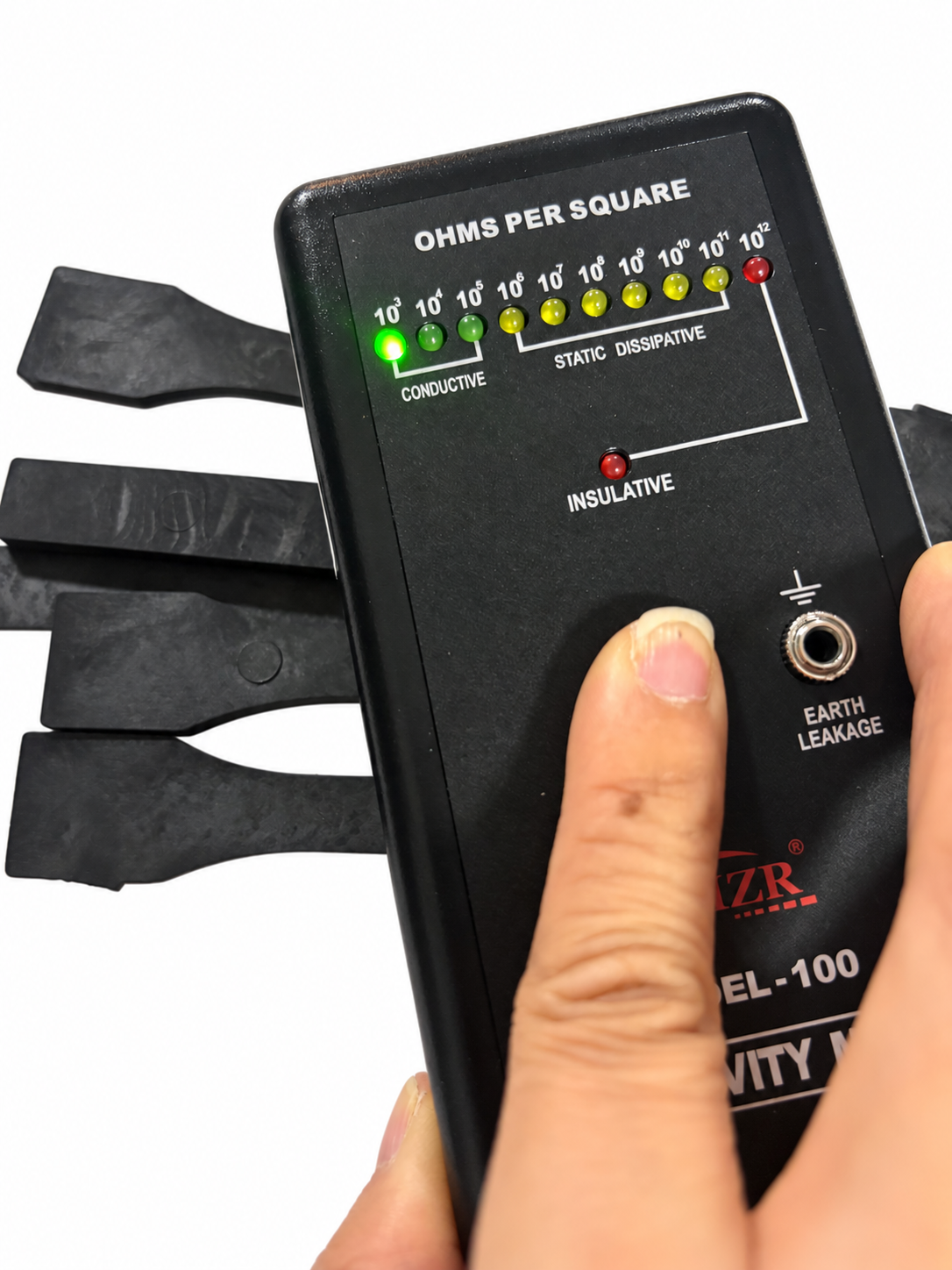
Provide the required electrical property, unit, method and contact points alongside stiffness, impact, dimensions and appearance requirements.
Moisture, conditioning and flame evidence
Agree on material drying and specimen conditioning with the grade supplier. State the test standard, formulation, color and wall thickness for any flame requirement.
Identify the mounting geometry, handling conditions and test locations on your drawing.
Review dimensions, mounting features, stiffness and electrical contact positions. Suitability requires a grade-specific trial.
Explore base applicationsShare the part drawing, wall thickness, surface requirements and operating conditions before requesting a PA material review.
Explore precision partsConfirm whether the particular grade is suitable for the intended route before trialing.

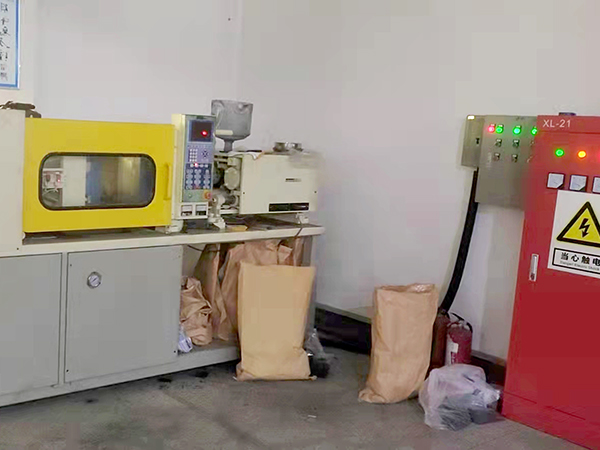
Review grade-specific drying guidance, molding conditions and finished-part acceptance. Record material lot, machine settings and measurement locations.
Injection molding guidance
For a sheet or profile, identify the geometry and line. Request confirmation of a suitable extrusion-grade candidate; do not assume an injection grade is suitable.
Extrusion guidanceCheck conditioning, measurement setup and contact positions before comparing results.
Test method, conditioning, part location and recorded readings.
Keep the original and proposed grade codes, conditioning and inspection method with the samples. Confirm flame requirements separately.
Mark locations on the drawing and share the finished-part acceptance check.
Agree on measurement timing and specimen conditioning; confirm drying guidance for the grade.
Drying record, dimensions, conditioning and elapsed time.
Compare locations at the same thickness, orientation and conditioning. Record how the profile was cooled before changing the formulation.
Marked sampling positions, profile dimensions, line settings and readings.
Provide the part, current resin, processing route and acceptance criteria.
Request current grade data, drying guidance and sample availability.
Record conditions and measure representative parts against the agreed criteria.
Identify the grade and lot; request drying and specimen-conditioning guidance.
Specify test method, unit, measurement points and acceptance limits.
Request evidence for the formulation, color and test thickness relevant to your part.
Before you enquire
Share the part, processing route and the properties you need before choosing a trial.
Not on the resin name alone. Share the existing grade, geometry and requirements; evaluate the proposed formulation in your process.
Request the current grade-specific guidance and record the actual drying conditions. Requirements depend on material and equipment.
Moisture and conditioning can affect measured properties. Agree on conditions and measurement timing when comparing samples.
Confirm the formulation, color, standard and tested thickness on the current report before applying a result to a part.
Ask for a route-specific review and a suitable candidate. The listed processing method for 9200B-WFR is injection molding.
Material selection · TDS · samples
Tell us about your component, current resin and the properties it needs. Include the process, electrical target, trial quantity and destination if known.
Your contact details and project information are used to respond to this enquiry.
