
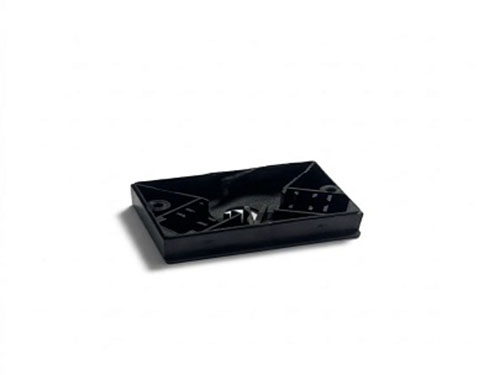
Functional bases and supports
Review mounting, contact geometry, load and acceptance conditions before discussing a formulation.
Explore base applicationsPOM MATERIAL SELECTION
Looking for antistatic POM for a molded component? Start with the part drawing, sliding or fit requirements and the electrical test the finished component needs to meet.
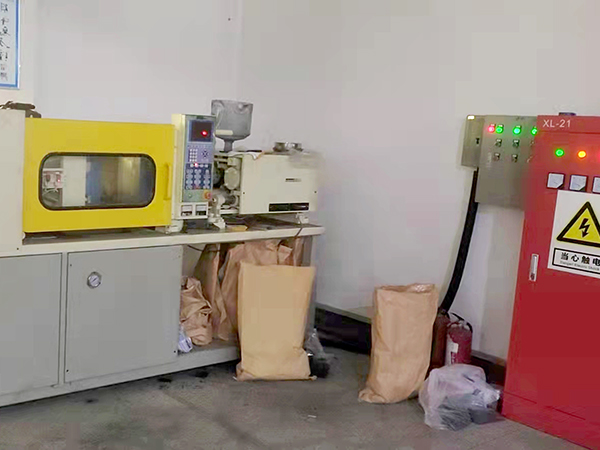
Review the intended application, process and electrical target before shortlisting a formulation.
No confirmed grade is currently listed in this category.
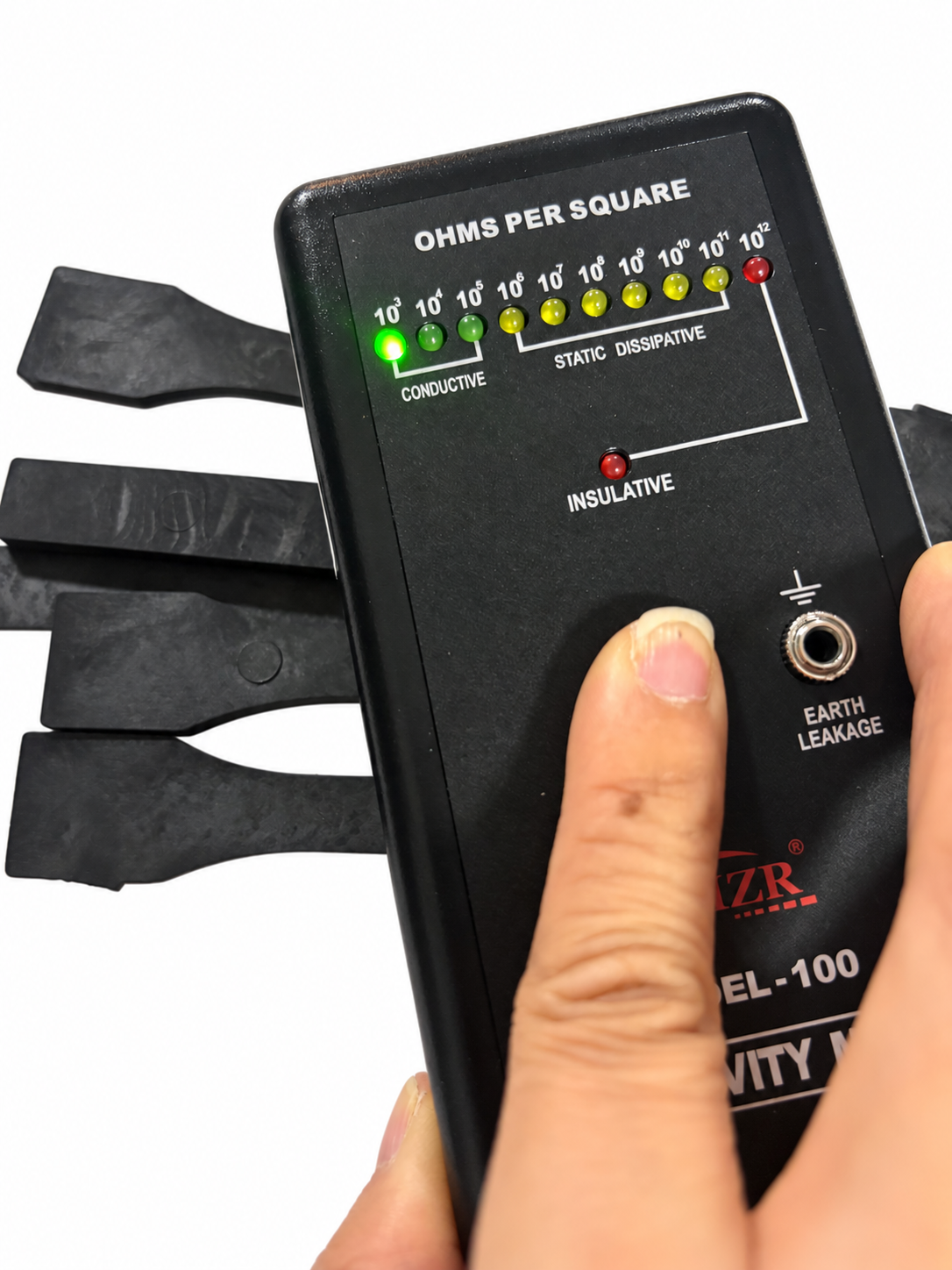
Electrical performance is only one part of the acceptance decision.
Part geometry and fit
Send the drawing, tolerance, mating parts, load and temperature range. Agree on measurement timing and gauge before comparing dimensions.
Sliding contact and wear
Describe the mating material, load, motion, lubrication and operating environment. Establish a part-level wear or friction test where needed; do not infer results from the base resin name.
Electrical acceptance
Specify resistance or resistivity, units, measurement method, conditioning and contact positions. Evaluate the finished component at the agreed locations.
These are example part geometries for discussion; grade suitability is subject to confirmation.
Review mounting, contact geometry, load and acceptance conditions before discussing a formulation.
Explore base applications
Share the fit, dimensional checks and electrical contact positions for a functional molded part.
Explore precision partsConfirm the grade and its route before arranging a representative trial.

Request grade-specific handling and processing guidance. Review gate, part thickness and settings, then check fit and electrical results on molded parts.
Injection molding guidance
For profiles or sheet, share cross-section, line conditions, dimensions and electrical target. Ask for an extrusion-reviewed candidate; a molding grade is not automatically suitable.
Extrusion guidanceCompare measurement locations, gauge, timing and conditioning; review tooling and process changes.
Drawing, tolerance, gauge method, lot and measurement results.
Check mating material, load, lubrication and test motion before attributing a change to the material.
Counterpart, test procedure, operating conditions and wear observations.
Repeat the same contact positions, method and conditioning. Confirm which electrical quantity and unit the drawing requires.
Marked test positions, instrument method, sample lot and readings.
Compare sampling locations and record cooling, cross-section and line settings with each result.
Section drawing, measurement map, line settings and samples.
Share the exact POM grade in use, processing route and the required electrical test. Confirm a candidate and its processing window before a trial.
Current resin code, component dimensions and target metric with its unit.
Share geometry, fit, mating material, load, process and electrical target.
Request current grade data, process guidance and sample availability for the intended route.
Record lot and settings; check dimensions, fit, sliding behavior and electrical results against agreed criteria.
Identify the grade and lot, intended process and current supplier guidance.
Agree on gauge, mating material, load, lubrication and measurement timing.
Specify quantity, unit, method, conditioning, contact positions and acceptance range.
Before you enquire
Share the part, processing route and the properties you need before choosing a trial.
Share the current grade, drawing and acceptance criteria. A candidate needs a representative processing and part trial.
No. Mating material, load, motion, lubrication and environment all matter; agree on a relevant part-level evaluation.
Specify drawing tolerance, gauge, measurement positions, timing and conditioning.
Identify resistance or resistivity, unit, test method, conditioning and locations before comparing values.
Provide the line and section requirements and ask for an extrusion-reviewed grade.
Material selection · technical information · samples
Tell us about the part, mating components, processing route and electrical target. Share fit, tolerance, sliding conditions, test method, trial quantity and destination if known.
Your contact details and project information are used to respond to this enquiry.