
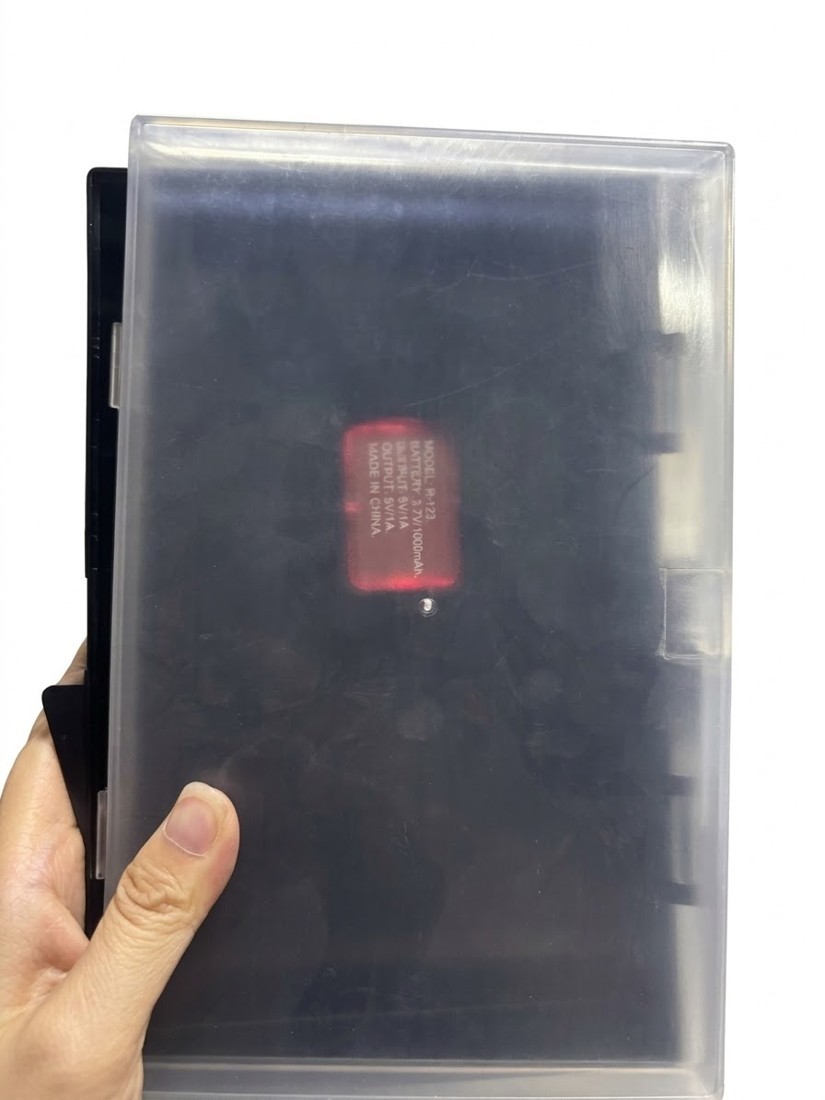
Visibility through covers
For lids and covers where the contents need to remain visible. Review appearance and electrical requirements together.
Wall thickness · clarity · electrical target
ABS material selection
Explore ABS compound grades across electrical, reinforcement, appearance and processing requirements. Compare candidates, or start with your application and ask for material support.
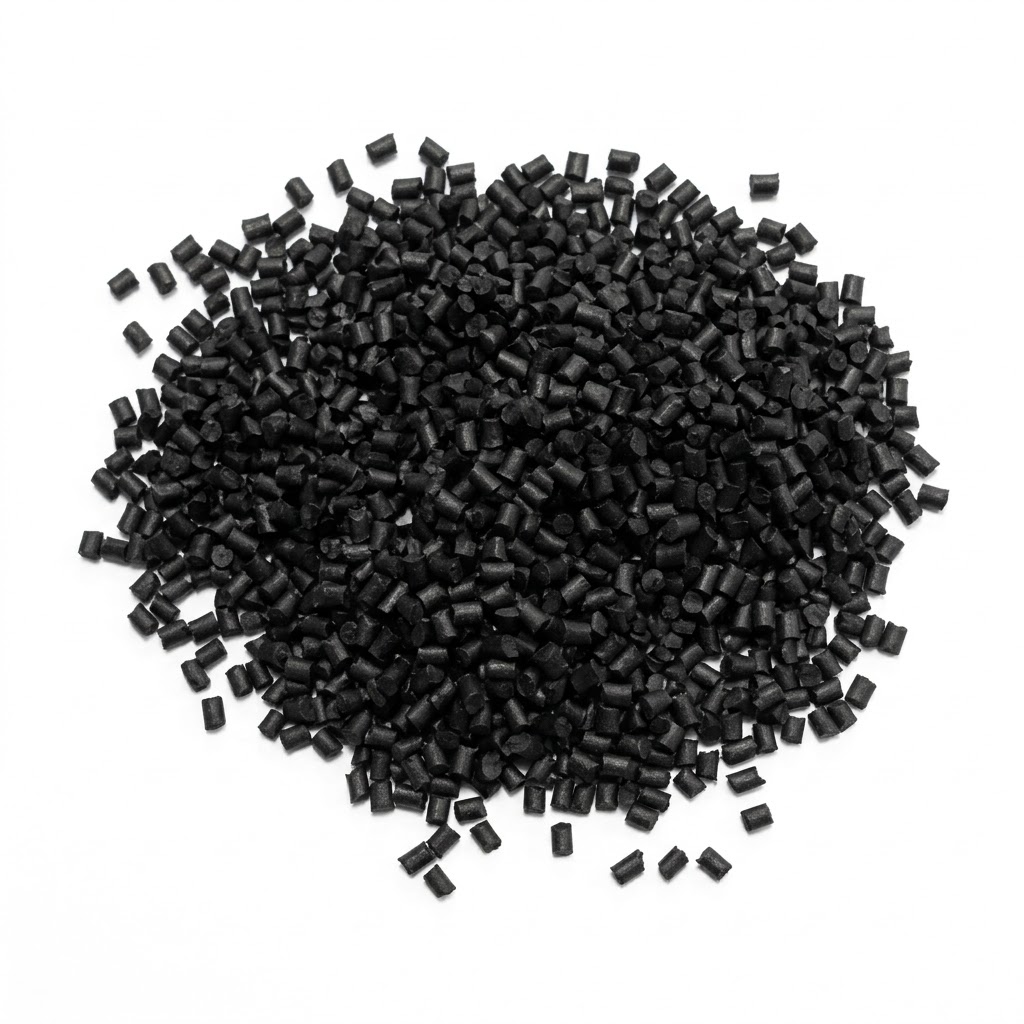

Start with the electrical target and test method to choose between antistatic and conductive ABS. Compare grades for your molding or extrusion process, then check the need for reinforcement, transparency, a specific color or a flame rating at the required wall thickness.
Scroll the table to view all fields →
| Material & grade | Electrical profile | Key features | Processing | Technical enquiry |
|---|---|---|---|---|
 346A-MTransparent antistatic ABS | Electrical profile Antistatic Request electrical specification | Key features Transparent appearance | Processing Injection Molding | |
 3100ACarbon fiber conductive ABS | Electrical profile 10³ Ω·cm Resistivity (TDS) · IEC 60093 | Key features Carbon fiber reinforced | Processing Injection Molding | |
 346A-FRFlame retardant antistatic ABS | Electrical profile 10⁹ Ω·cm Resistivity (TDS) · IEC 60093 | Key features V-0 at 3.0 mm [1] | Processing Injection Molding | |
ABS-DEMO-004Carbon-filled ESD ABSDEMO | Electrical profile 10⁶–10⁹ Ω Surface resistance · DEMO target | Key features Black appearance Carbon-filled formulation | Processing Injection molding | DEMO Illustrative record — data to confirm |
ABS-DEMO-005Transparent antistatic ABSDEMO | Electrical profile 10⁹–10¹¹ Ω/□ Surface resistivity · DEMO target | Key features Transparent appearance Colorless trial candidate | Processing Injection molding | DEMO Illustrative record — data to confirm |
ABS-DEMO-006Antistatic ABS for sheet trialsDEMO | Electrical profile 10⁸–10¹⁰ Ω Surface resistance · DEMO target | Key features Natural color example Sheet evaluation | Processing Extrusion | DEMO Illustrative record — data to confirm |
Source-grade values come from the supplied TDS. Marked DEMO records are fictional layout examples, not test data or a supply declaration. Confirm the metric, method and part acceptance criteria.
[1] UL 94 V-0 at 3.0 mm is listed for 346A-FR. Confirm the formulation, color and applicable thickness.
The same application can lead to different grades. Use the part requirements to narrow the choice.
For lids and covers where the contents need to remain visible. Review appearance and electrical requirements together.
Wall thickness · clarity · electrical target
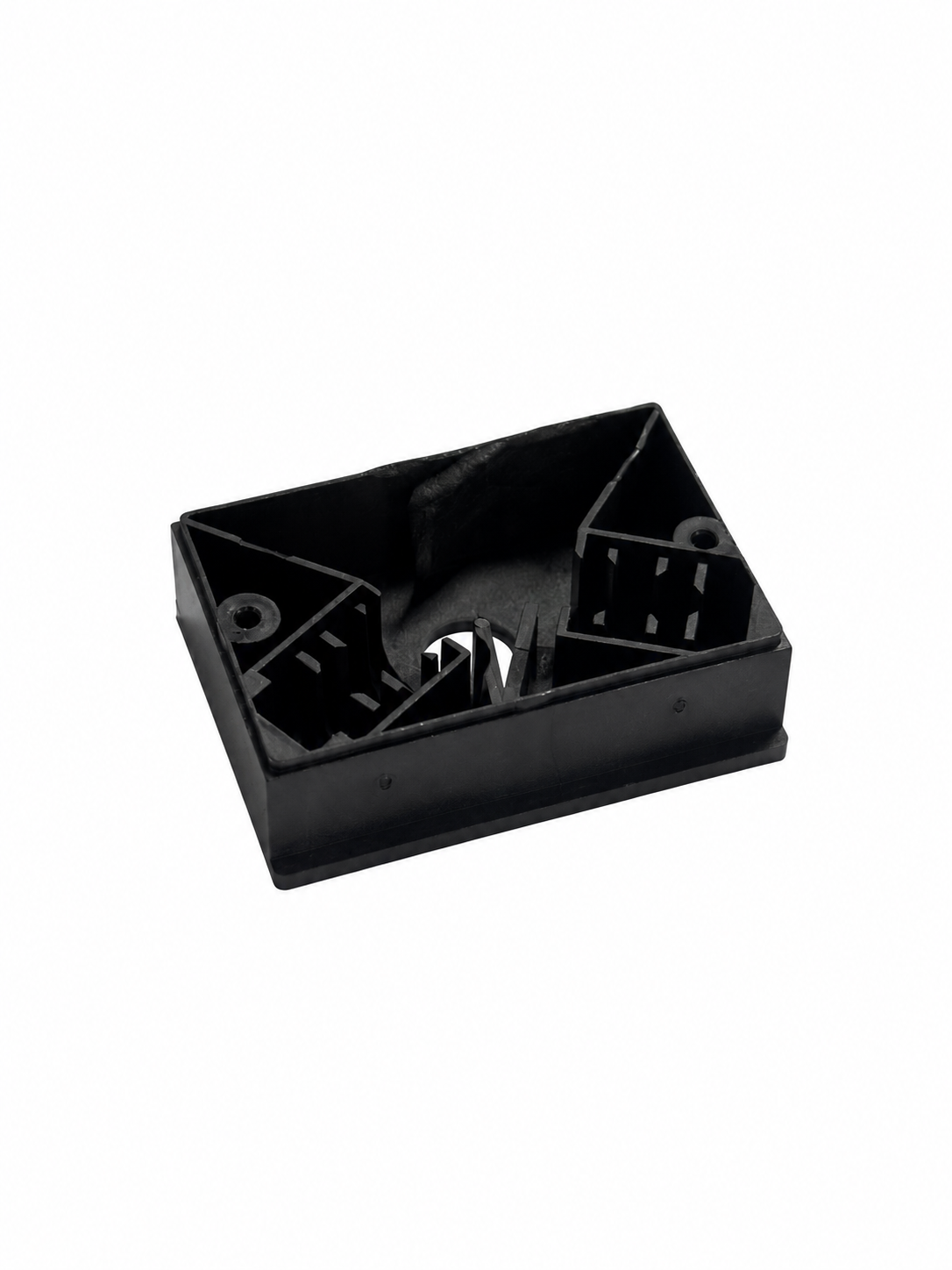
For evaluating functional bases and component carriers. Geometry, stiffness and contact locations guide the shortlist.
Geometry · reinforcement · contact positions

For housings with combined appearance and functional requirements. Agree on the color, flame test and part thickness.
Color · surface finish · flame requirement
Examples of downstream applications. More grades and applications can be added; ANSUYI supplies compound pellets.
Discuss your applicationReview the proposed material with ANSUYI, then agree on a representative evaluation.

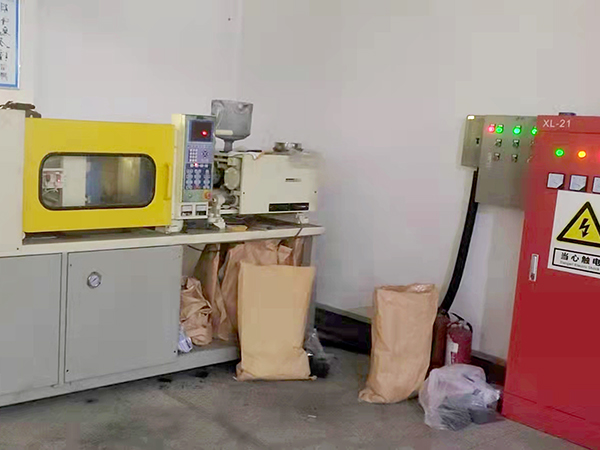
Bring the grade information, intended process and part requirements into the same discussion.
Technical data you can check
Request the current TDS and clarify the electrical quantity, unit and test conditions.
A representative sample
Discuss material and sample-molding arrangements for the geometry and appearance you need.
A clear basis for evaluation
Agree on sample identification, measurement locations and the acceptance criteria for your part.
Part, required properties, process and intended quantity.
Review candidate data and the proposed sample scope.
Record process settings and agreed part-level checks.
Review findings and confirm supply or further development.
Example trial plan: start with 1–5 kg, identify the sample batch, and record drying, molding settings and part-level electrical checks.
DEMO planning example — replace with confirmed conditions.
Example supply scope: 25 kg per bag; 1–5 kg trial sample; 500 kg minimum order; dispatch in 10–15 working days.
DEMO planning example — replace with confirmed conditions.
Compare readings at the same contacts under the same conditioning. Check the tool revision and the grade-specific molding record.
Mark the contacts on the drawing and provide the original and trial settings.
Compare the coloring method, lot and gate location. Record visual differences in equivalent lighting before changing a formulation.
Color reference, original part and revised sample.
Explore how requirements, materials and processing come together in a trial.
Before you enquire
You can start with a specification, a current material or simply the part you need to make.
Choose against the finished part’s electrical specification, rather than the grade name or pellet appearance. Share the required measurement, range, unit and test method. If the target is not yet defined, describe the application so we can discuss the next step.
Ask for a review of the combination you need. Confirm the proposed formulation, color and flame-test thickness, then evaluate appearance and electrical performance on a representative part.
Share the current resin, part drawing, wall thickness and any molding issues. Request grade-specific processing guidance and agree on what the trial needs to demonstrate.
Send your application, preferred grade if known, intended quantity and destination. Sample arrangements, packaging, minimum order quantity and dispatch availability are confirmed for the enquiry.
Material selection · TDS · samples
Share your application and requirements. Choose a grade if you have one, or ask for help identifying a candidate.
What happens next
D-NEXT-001 · DEMOCandidate data and missing selection information.
Proposed sample / trial arrangements.
Supply or quotation conditions for the agreed scope.
Draft service scope — replace with your confirmed process.
Your contact details and project information are used to respond to this enquiry.

